
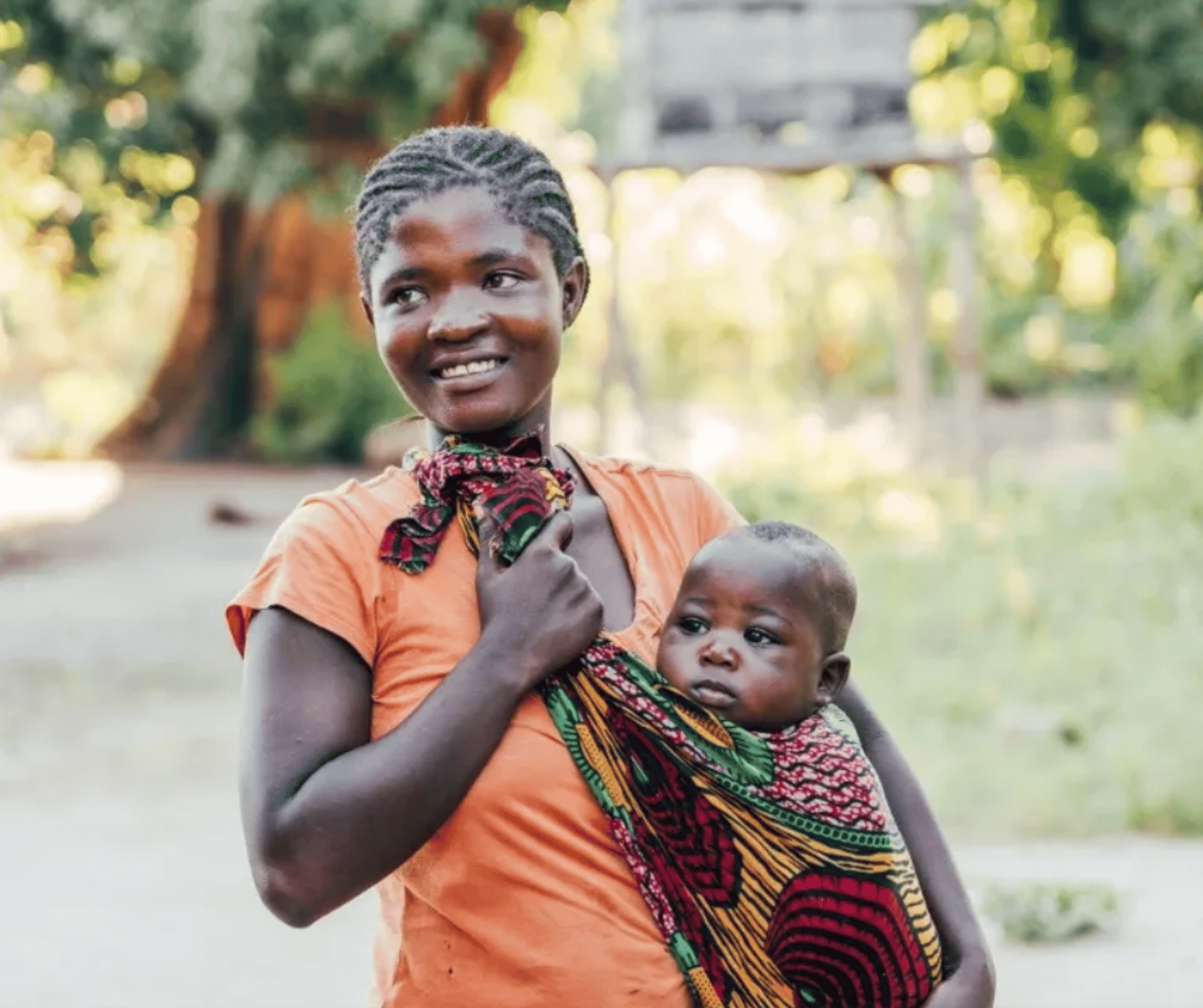
I was hungry and you gave me food and I was thirsty and you gave me water to drink, I was a stranger and you took me in, I was destitute and without clothing and you clothed me, I was sick and you visited me....Matthew 25:35-36
We are Abba Cares Foundation, a non-profit organisation. Our primary focus is on humanitarian advocacy and grassroots development. Our work is centered on conflict-ridden nations, raising awareness and supporting local communities.
No person should go to bed hungry or have no acess to clean water or education. Our mission is to provide food, clean water and access to necessary tools for learning.
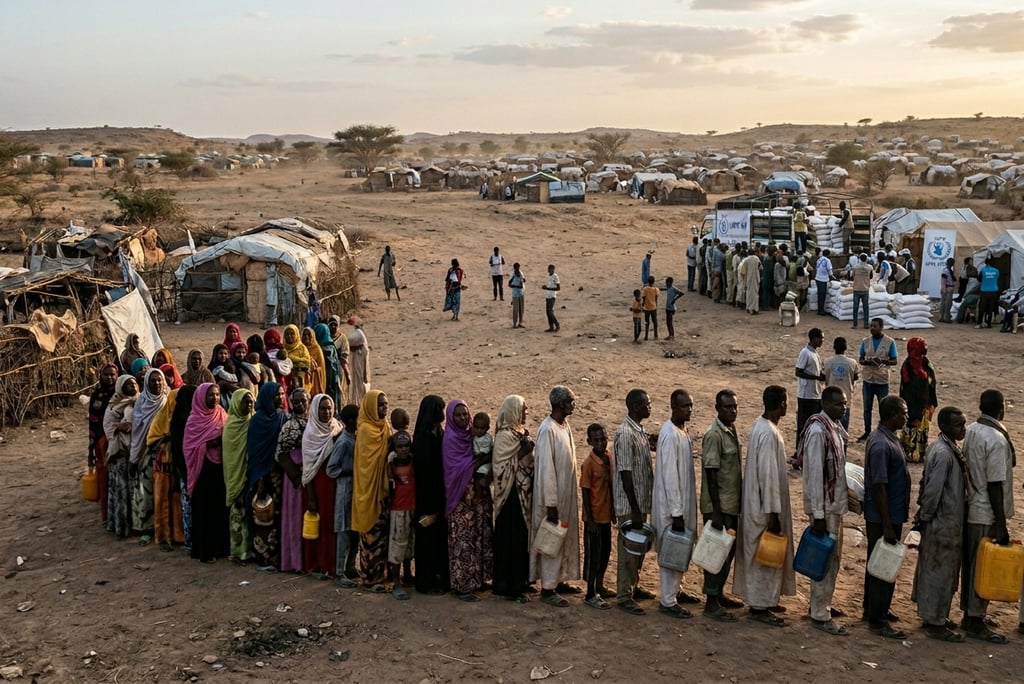
The 10 Countries Facing Extreme Hunger Crisis Right Now.
News
8 June 2026
Global food insecurity remains one of the most pressing humanitarian challenges, with hundreds of millions of people currently facing crisis levels of hunger or worse. Rather than evaluating hunger through a single lens, modern metrics measure food insecurity in a highly multi-dimensional way to capture its true severity.
According to the United Nations World Food Programme (WFP), tracking global acute hunger involves assessing core dimensions such as overall household food consumption patterns, the prevalence of extreme coping strategies, child nutritional status, dietary micronutrient adequacy, and access to clean water and local markets.
By integrating these diverse metrics with advanced statistical forecasting, tools like the WFP's HungerMap Live provide real-time, evidence-based snapshots of global vulnerabilities, allowing organizations to distinguish between chronic undernourishment and rapid-onset, catastrophic acute hunger.
The factors driving this global crisis are interconnected and complex, primarily fueled by a toxic combination of conflict, climate shocks, and economic volatility. Armed conflict and localized violence remain the primary drivers of severe hunger, displacing millions of families, cutting off essential supply routes, and disrupting agricultural production in fragile territories.
Concurrently, the accelerating climate crisis triggers devastating droughts, unseasonable floods, and extreme weather patterns that ruin crop yields and wipe out livestock overnight. When these crises collide with persistent economic shocks—including soaring inflation, currency devaluation, and the rising cost of a healthy diet—vulnerable populations are pushed past their breaking points, leaving them entirely reliant on dwindling humanitarian aid.
As the WFP Hunger Map continuously flags expanding "hunger hotspots"—such as the ongoing catastrophes in Gaza, Sudan, and parts of Sub-Saharan Africa—the presence of grass-roots organisations like the Abba Cares Foundation becomes absolutely critical. When nations face acute hunger, macro-level international aid often battles logistical delays, political bottlenecks, and severe funding gaps. Abba Cares Foundation is uniquely positioned to bridge this operational divide, delivering rapid, on-the-ground interventions that turn the tide in regions teetering on the edge of famine. By providing direct, targeted food relief, supporting local nutrition programs, and helping communities rebuild resilient local food pipelines, Abba Cares Foundation provides vital life-saving action exactly where the map burns brightest.
10. Central African Republic
Reports from international observers, including the UN World Food Programme (WFP) and the Integrated Food Security Phase Classification (IPC), reveal that the Central African Republic (CAR) remains trapped in a severe, protracted humanitarian crisis. For the April to August period, over 2 million people—nearly one in three citizens—are experiencing high levels of acute food insecurity (IPC Phase 3 or above). This staggering figure includes approximately 262,000 individuals trapped in IPC Phase 4 (Emergency) conditions, where families face extreme food consumption gaps and an immediate threat to life.
The primary drivers of this persistent crisis are deeply interconnected:
Pervasive Armed Conflict and Violence: Ongoing localized clashes between armed elements continue to destabilize regional safety. In areas like Haut-Mbomou and Ouham, sudden spikes in violence routinely trigger mass population displacements, forcing farming families to abandon their fields into the bush.
Climate Anomalies: The agricultural cycle has been severely hampered by volatile climate conditions, ranging from unseasonable dry spells to severe localised storms that destroy housing and wipe out staple crops.
Cross-Border Pressures: The country is bearing a massive displacement burden, further aggravated by the influx of thousands of returnees and refugees fleeing the ongoing war in neighbouring Sudan.
Compounding this hunger crisis in the Central African Republic is a crippling, global humanitarian financing squeeze. The WFP has issued warnings that steep international funding shortfalls are drastically restricting its ability to meet rising needs, forcing agencies into difficult trade-offs. With critical funding gaps for its country-wide food pipeline over the coming months, observers warn that without urgent resource mobilization, vulnerable populations risk completely losing their safety nets, which could trigger a rapid descent into irreversible, catastrophic levels of hunger.
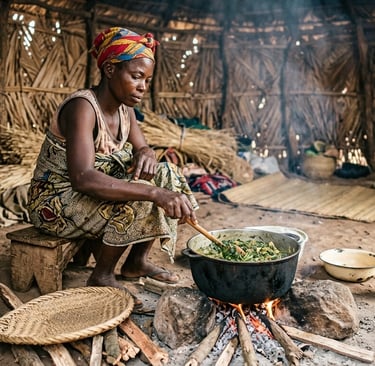
9. Somalia
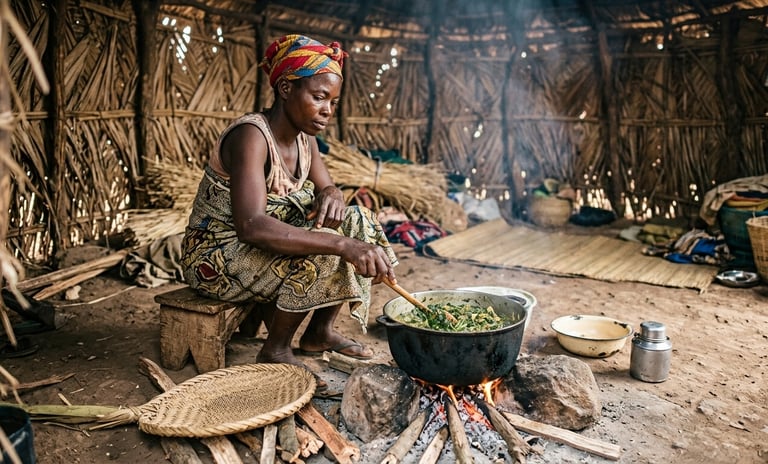
Somalia is facing an escalating hunger crisis, with nearly six million people—approximately one in three Somalis—experiencing acute food insecurity, and roughly two million facing emergency levels of hunger. The situation is being driven by recurring droughts, prolonged conflict, and devastating international aid shortfalls.
Key Crisis Metrics
People Affected: Nearly 6 million people require urgent humanitarian food assistance.
Malnutrition: Nearly 1.9 million children under the age of five are acutely malnourished, including half a million suffering from severe acute malnutrition.
Displacement: Successive failed rainy seasons and localized conflicts have forced hundreds of thousands of families to abandon their homes and livelihoods, creating massive internally displaced person (IDP) camps.
Contributing Factors
Global Economic Shocks: Instability and conflicts in the Middle East—specifically disruptions around the Strait of Hormuz—have caused severe supply chain delays and massive spikes in food and fuel prices.
Funding Shortfalls: Humanitarian agencies, including the World Food Programme (WFP), are experiencing catastrophic funding cuts. The WFP is currently able to reach only one in ten people in urgent need, and hundreds of nutrition clinics have been forced to close.
Climate Change: Unpredictable rainfall, ranging from consecutive failed rainy seasons to flash floods, has obliterated crop yields and wiped out livestock.
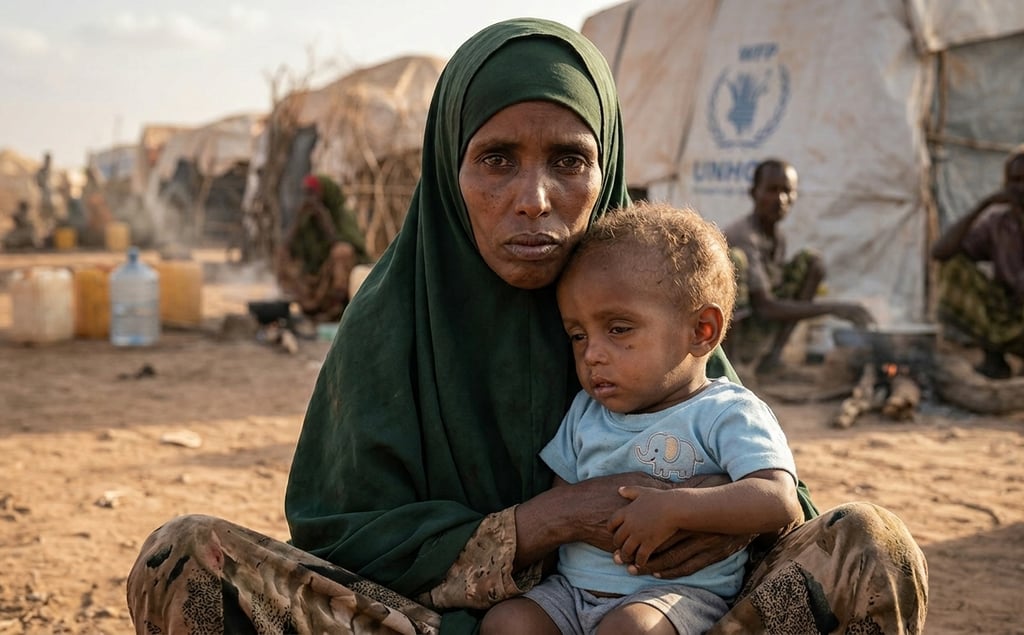
Drastic Aid Funding Deficit: Severe, global funding shortfalls have forced the WFP and other international aid agencies to sharply scale down operations. Humanitarian food security assistance has dropped so low that it has previously hit points where it reached less than 20% of the population in need. Observers warn that without an immediate injection of international funding, life-saving nutritional pipelines risk fracturing entirely, exposing millions more to unchecked starvation.
8. Syria
The humanitarian crisis in Syria has reached a devastating tipping point. Decades of conflict, compounded by sudden geopolitical and environmental shocks, have left a staggering 16.5 million people in need of urgent life-saving assistance.
The food and hunger crisis is defined by several critical factors:
1. Widespread Hunger and Malnutrition
Mass Food Insecurity: Over 14.6 million Syrians are currently food insecure, with 9.1 million of those classified as acutely food insecure. Shockingly, only about 18% of the entire population is considered securely fed.
Vulnerable Children: Approximately 6.4 million children across the country are in desperate need of nutritional support. Prolonged food deprivation has driven malnutrition rates among children, as well as pregnant and breastfeeding women, to some of the highest levels seen since the conflict began.
Poverty Line: Roughly 90% of Syrians now live below the poverty line, forcing families to adopt severe coping mechanisms like skipping meals, reducing portion sizes, and pulling children out of school to work.
2. Catastrophic Aid Cuts Due to Underfunding
The single most immediate threat to Syrian survival right now is a severe deficit in international aid funding.
WFP Reductions: Due to extreme budget shortages, the UN World Food Programme (WFP) was forced to halve its emergency food assistance.
Shrinking Geographic Reach: WFP operations have been forced to consolidate, shrinking their vital safety net from all 14 Syrian governorates down to just seven.
Loss of the Bread Lifeline: Funding constraints have severely crippled programs that supported over 300 bakeries, which previously provided subsidized, fortified bread to 4 million people daily.
3. Economic and Geopolitical Aggravators
The "Returnee" Pressure: Regional escalations—particularly the conflict in neighboring Lebanon—have forced over 440,000 people to flee across the border into Syria. This massive, sudden influx of returnees and refugees is placing immense strain on already depleted local food supplies and basic infrastructure.
Inflation and Import Costs: Ongoing instability affecting global shipping lanes, such as the Strait of Hormuz, has caused severe domestic inflation. The cost of basic living necessities has skyrocketed, and even with localized wage adjustments, average incomes cover only about one-third of a household's basic needs.
4. Climate Shocks and Agricultural Collapse
Syria's agricultural sector has been brought to its knees by consecutive environmental disasters. Following the worst drought the region has seen in 36 years, severe weather anomalies—including heavy snowstorms, localized winter flooding, and devastating springtime floods along the Euphrates River—have wiped out prime crop harvests during peak season, decimating local food production and agricultural livelihoods.
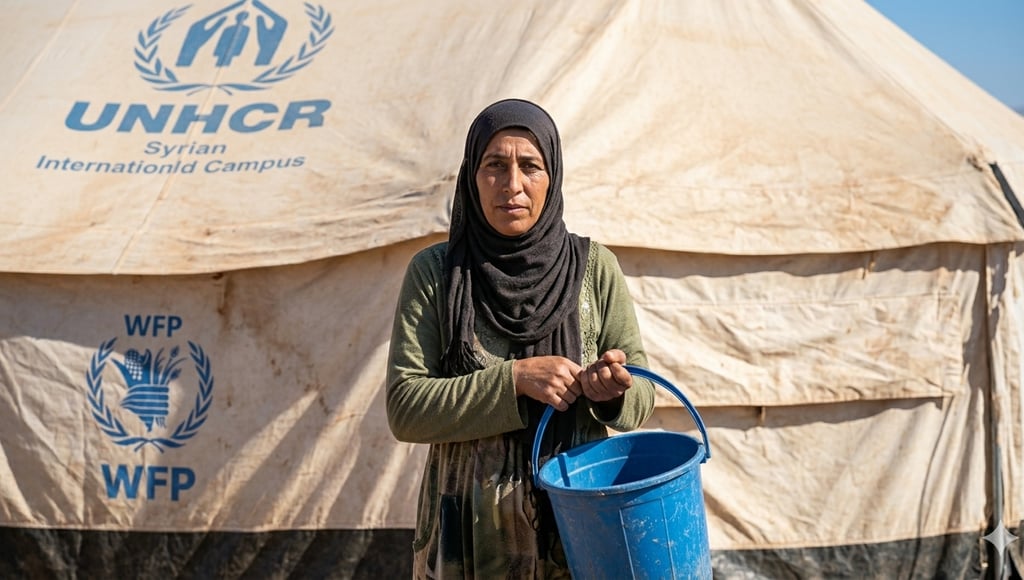
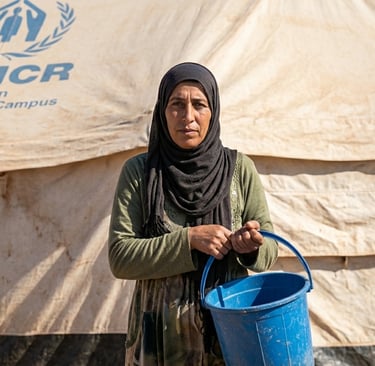
Syria is still facing a severe humanitarian hunger crisis, with the World Food Programme saying millions remain food insecure and that food security worsened after the Assad regime’s overthrow in December 2024.
Prolonged drought, lingering devastation from the 2011–2024 civil war, and economic instability are severe compounding crises. Consecutive poor rainy seasons have diminished crop yields, degraded grazing lands, and reduced farm labor demand. Furthermore, conflict-damaged infrastructure restricts farming, while ongoing violence, displacement, and territorial instability continually disrupt markets and livelihoods.
7. South Sudan
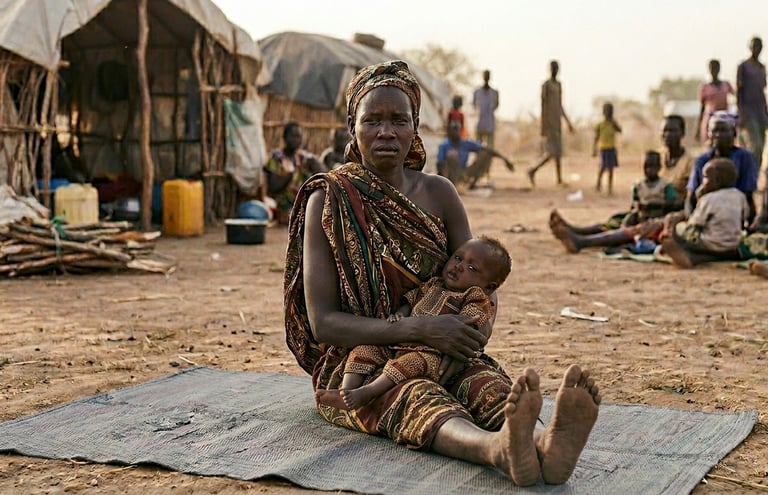
Over half of South Sudan’s population is facing an extreme, catastrophic acute hunger crisis, with 7.8 million people pushed into high levels of food insecurity (IPC Phase 3 or above). According to the latest Integrated Food Security Phase Classification (IPC) report, the situation has dramatically deteriorated.
Current Crisis Statistics:
Total Population Affected: 56% of the country cannot secure enough food between April and July.
Catastrophic Famine Conditions: 73,300 people are experiencing IPC Phase 5 (Catastrophic) hunger—a staggering 160% increase from previous estimates.
Children at Risk: 2.2 million children suffer from acute malnutrition. Of those, 700,000 face severe acute malnutrition, which is the deadliest form.
Maternal Health: 1.2 million pregnant and breastfeeding women are acutely malnourished.
Primary Drivers of the Catastrophe
Escalating Civil Conflict: Heavy clashes between the state army and opposition groups have intensified in regions like Jonglei and Upper Nile.
Climate Shocks: Six consecutive years of unprecedented flooding have permanently submerged large swathes of agricultural land, preventing farmers from planting or harvesting crops.
Economic Collapse: Spillover from the neighbouring conflict in Sudan has caused hyperinflation. The price of basic food items has spiked by nearly 370%.
Famine Risk: Four specific counties across Upper Nile and Jonglei states are under an active, credible warning for a full-scale famine.
Humanitarian Access and Funding Shortfalls. The UN World Food Programme (WFP) and partner agencies are racing against time to scale up aid before the heavy rainy season entirely blocks roads. However, the global aid network is caught in a "triple squeeze" due to the compound effects of the Middle East crisis. Rising shipping costs, supply chain delays, and shrinking donor budgets mean that the WFP expects to serve 1.5 million fewer people globally than planned, putting South Sudanese lifelines at severe risk.
6. Myanmar
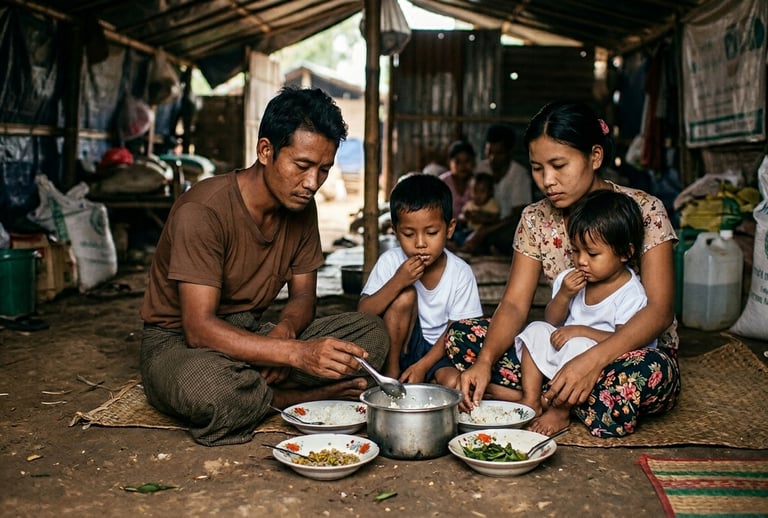
Myanmar is facing one of the worst, most severe hunger crises in its recent history, with an estimated 16.2 million people in need of humanitarian assistance. This staggering figure includes approximately 12.4 million people experiencing acute hunger, and nearly one million pushed to critical "Phase 4" emergency levels. According to the United Nations World Food Programme (WFP) and the European Union, the emergency is escalating rapidly due to structural collapse and international economic shocks.
Primary Drivers of the Crisis
Escalating Armed Conflict: Protracted civil conflict has intensified since the 2021 military takeover. This has disrupted domestic supply chains, targeted healthcare infrastructure, and forcibly displaced over 3.5 million citizens internally.
Agricultural Disruption: Smallholder farmers are caught in a tragic paradox: the food producers themselves are starving. Local farming has ground to a halt due to active fighting, localized taxes levied by opposing factions, and depleted livestock herds.
Compounding Global Shocks: Severe economic ripples from ongoing global fuel and energy market shocks have caused basic commodities to skyrocket. In just the past year, the cost of a basic food basket in Myanmar surged by 50%.
Fertilizer Shortages: Hyperinflation has made agricultural inputs inaccessible. WFP officials note that a 50% drop in fertilizer use threatens to slash national crop yields by up to 15%, ensuring deep food insecurity.
Severe Environmental Traumas: The region continues to reel from successive climate shocks, including major monsoonal flooding and the lingering destruction of a massive 7.7-magnitude earthquake.
The brunt of the devastation falls directly upon displaced populations, stateless persons, and young families.
Severe Malnutrition: An estimated 400,000 young children and pregnant or breastfeeding mothers are currently suffering from acute malnutrition.
Coping Mechanisms: In highly affected territories like Sagaing, Magway, and Mandalay, families are resorting to extreme survival measures, with parents systematically skipping meals so their children can eat.
The Rohingya Crisis: Over 1.2 million Rohingya refugees remain trapped in camps in Bangladesh. Meanwhile, inside Myanmar's Rakhine State, a military blockade has severely restricted incoming aid, leaving hundreds of thousands of internally displaced persons (IDPs) completely isolated.
Humanitarian Response and Structural Obstacles
The international community is attempting to scale up aid, but severe blockades and resource constraints stunt progress.
Underfunding Emergency: The WFP aims to assist 1.3 to 1.5 million people—a small fraction of the total population in need—and requires an active $125 million to $150 million budget.
International Support: Aid lifelines exist primarily through major international contributions, including an initial €63 million package from the European Commission for food, emergency nutrition, and mine risk education, alongside dedicated assistance from nations like Japan.
Data Suppression: Operations are heavily challenged by systematic efforts from the ruling military junta to suppress data regarding the food emergency. Detaining local researchers and blocking the publication of humanitarian mapping has made it incredibly difficult for relief agencies to verify the true scope of the crisis to donors.
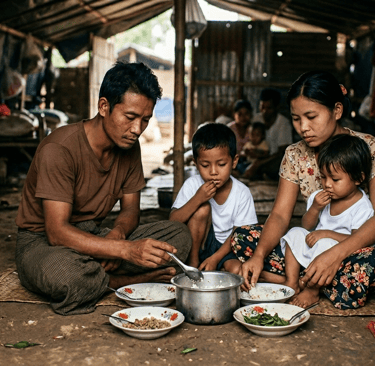
Critical Geographic Hotspots: While food insecurity is a nationwide issue, it is at emergency levels in conflict-torn and hard-to-reach areas.
Rakhine State: This region is on the absolute brink of famine. The United Nations Development Programme (UNDP) warns that up to two million people are at risk of starvation here. In central Rakhine, roughly 57% of families cannot afford basic food.
Other High-Concern Zones: The states of Chin, Kachin, Kayah, Shan, and the Sagaing and Mandalay regions continue to see severe spikes in hunger due to constant military friction and displacement.
5. Afghanistan
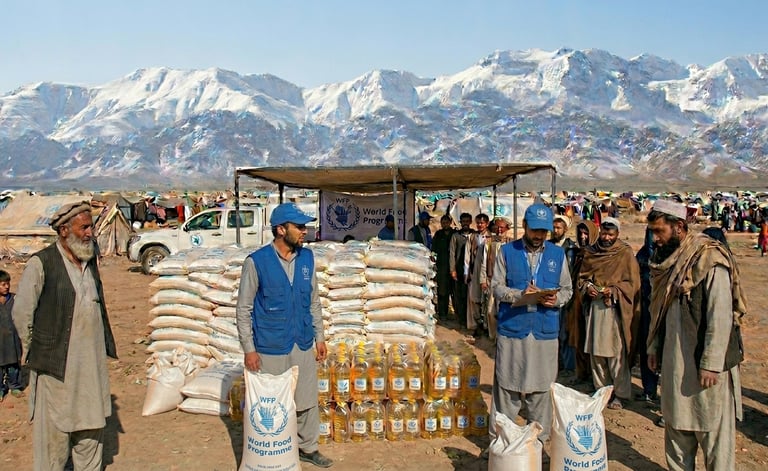
Afghanistan’s hunger crisis is driven by a mix of conflict, economic collapse, drought, natural disasters, and displacement. An estimated 17 million people—nearly half the population—face acute food insecurity, and 4.7 million are on the brink of famine. Nearly 4 million children and pregnant or breastfeeding mothers suffer from acute malnutrition.
The main causes include:
International Aid Cuts: Drastic reductions in global humanitarian funding and international sanctions have forced programs to drastically scale back food distribution. The UN World Food Programme (WFP) has struggled with critical funding shortfalls, leaving millions without assistance.
Earthquakes, drought, and Floods have severely damaged crops and livelihoods across more than half of the country's provinces.
Mass Displacement: Millions of Afghans have been forced to return from neighbouring countries like Pakistan and Iran, straining already devastated local resources and host communities.
Economic Collapse: Skyrocketing unemployment, inflation, and restrictions on women's employment have left families unable to afford basic household items.
Decades of conflict and insecurity have destroyed livelihoods, disrupted farming, and weakened the economy. Afghanistan is seeing an escalation of insecurity on its borders— increased fighting on the eastern and southern frontier with Pakistan, and ongoing violence in Iran. This renewed fighting is putting immense pressure on communities already vulnerable and worn down by years of crisis, conflict and chaos. However, the crisis is not caused by one thing alone. It is the result of war damage, climate shocks, poverty, and reduced humanitarian support all hitting at the same time.
4. Yemen
Yemen remains in one of the world's worst and most prolonged humanitarian crises. As of mid-2026, the hunger situation is extremely severe and continues to worsen.
Current Situation (2026)
18 – 18.3 million people (nearly half the population) are facing acute food insecurity (IPC Phase 3 or worse).
Around 5 – 5.8 million people are in Emergency levels (IPC Phase 4) of hunger.
40,000 – 41,000 people are at risk of catastrophic hunger (IPC Phase 5 – famine conditions) in several districts.
2.2 million children under 5 are acutely malnourished, with over 500,000 suffering from severe acute malnutrition.
1.3 million pregnant and breastfeeding women are also malnourished.
Primary Causes of the 2026 Surge
Humanitarian Funding Collapse: The primary trigger for the 2026 deterioration is a catastrophic drop in international donor funding. Major aid organisations have been forced to drastically scale back operations. For instance, the WFP had to slash its targeted emergency food assistance beneficiaries in government areas by half, moving from 3.4 million to just 1.7 million people.
Macroeconomic Failure: Disrupted livelihoods, collapsing local currency value, and fractured internal governance are stripping families of basic purchasing power.
Global and Regional Pressures: Broadened conflict across the Middle East has disrupted international shipping lanes and caused global fuel prices to skyrocket. Because Yemen imports nearly all of its basic food supplies, these external price transfers hit local markets immediately.
Climate Shocks: Extreme weather events, unpredictable flooding, and severe water scarcity are devastating local agricultural production, leaving the 60% of households that rely on farming unable to sustain their yields.
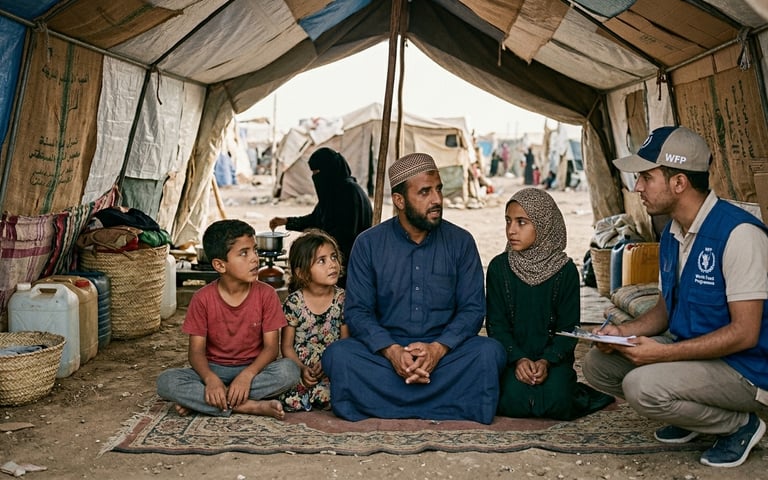
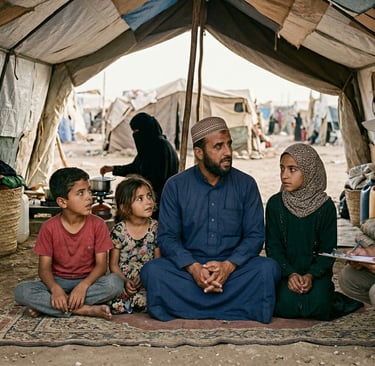
International Aid organizations, including the UN Population Fund (UNFPA) and the International Rescue Committee (IRC), warn that without immediate, massive international funding injections, Yemen risks tipping into widespread, irreversible famine.
3. Sudan
As Sudan’s civil conflict enters its fourth year, the country’s prolonged hunger crisis shows no sign of easing. Violence, displacement, and severe restrictions on humanitarian access are affecting children, families, and communities across the country. Nearly 19.5 million people are facing crisis-level hunger, with some already in catastrophic conditions and several areas at risk of famine. Sudan is also grappling with a severe nutrition emergency, with 825,000 children under 5 projected to suffer from Severe Acute Malnutrition in 2026. In addition, the conflict has created a major displacement crisis, forcing 9 million people from their homes.
The situation could worsen further because of conflict in the Middle East, as disruptions in the Red Sea are delaying essential imports and increasing the cost of food, fuel, and fertilizer.
Official famine conditions (IPC Phase 5) have been verified in specific areas, including El Fasher (North Darfur), Alasir, Cornoi, Um Baru, and Kadugli (South Kordofan). Prolonged blockades and military sieges imposed by armed groups have systematically blocked food, commercial goods, and humanitarian aid from entering these areas. Local populations have been driven to absolute extremes, with some surviving entirely on animal fodder to stay alive.
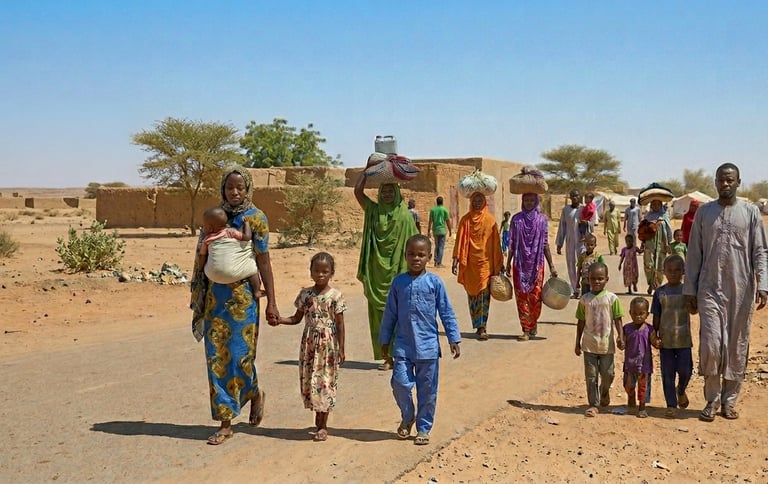
At least 14 other districts across the Darfur and Kordofan regions face an imminent risk of famine expansion.
2. DR Congo
The Democratic Republic of Congo is currently facing one of the world’s largest hunger crises, though it has not reached full famine (IPC Phase 5) at a national level. However, parts of the country are in a very dangerous situation.
Current Situation (as of June 2026)
26.5 million people (about 23–25% of the population) are experiencing high levels of acute food insecurity (IPC Phase 3 or above).
Around 3.6 – 3.9 million people are in Emergency (IPC Phase 4) — one step away from famine.
The crisis is most severe in the conflict-affected eastern provinces: North Kivu, South Kivu, Ituri, and Tanganyika.
Over 4 million children under 5 are acutely malnourished, with hundreds of thousands in severe acute malnutrition.
Main causes
Ongoing armed conflict and violence (especially M23 rebels, ADF, and other armed groups in the east).
Massive internal displacement (over 7 million IDPs).
Economic collapse and very high food prices.
Severe underfunding of humanitarian aid.
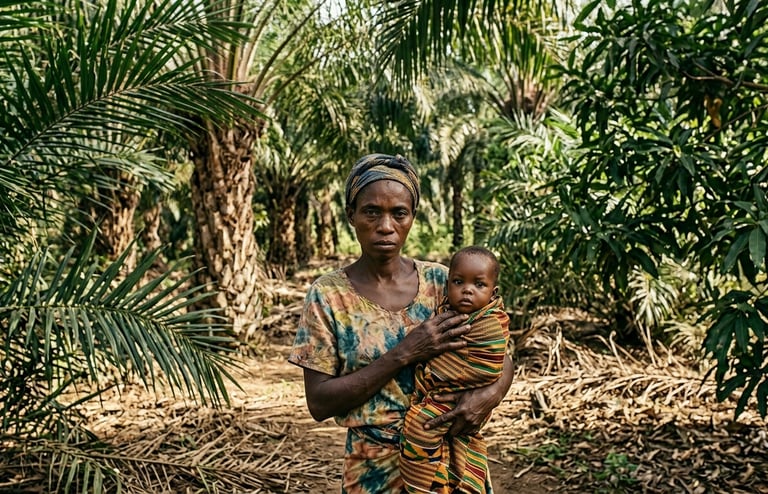
In the Democratic Republic of the Congo, 6.7 million people are facing severe acute malnutrition, the deadliest form of hunger. Many of those affected are children. The hunger crisis is heavily concentrated in the volatile eastern regions of the country.
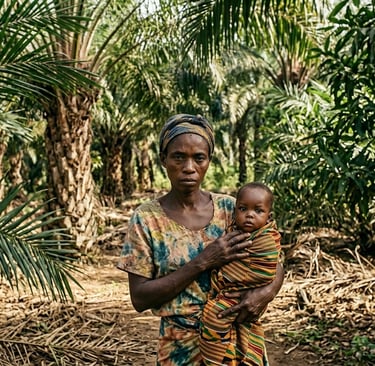
1. Nigeria
Escalating insecurity across northern Nigeria, marked by a huge rise in insurgent attacks, is pushing hunger to unprecedented levels. This region in Northern Nigeria is experiencing the most severe hunger crisis in a decade, with rural farming communities the hardest hit. Nearly six million people in the north are projected to face crisis levels of hunger or worse during the 2026 lean season – June to August - in the conflict zones of Borno, Adamawa and Yobe states. This includes some 15,000 people in Borno State who are expected to confront catastrophic hunger (Phase 5, famine-like conditions). Children are at greatest risk across Borno, Sokoto, Yobe and Zamfara, where malnutrition rates are highest.
The dire situation has been compounded by funding shortfalls that diminish the WFP’s ability to provide life-saving assistance. In the northeast – where nearly one million people depend on WFP’s food and nutrition assistance - WFP was forced to scale down nutrition programmes in July, affecting more than 300,000 children. In areas where clinics closed, malnutrition levels deteriorated from “serious” to “critical” in the third quarter of the year.
Despite soaring needs, WFP will run out of resources for emergency food and nutrition assistance in December. Without urgent funding, millions will be left without vital support in 2026, risking more instability and deepening a crisis that the world cannot afford to ignore.
Borno State
The capital of Borno State in northeastern Nigeria is Maiduguri. It is the largest city in the region and serves as a major commercial and cultural hub, situated along the Ngadda River
Acute hunger and malnutrition are severe in Borno State, Nigeria, driven by ongoing conflict, large-scale displacements, and climate shocks. The crisis primarily affects Internally Displaced Persons (IDPs) and remote communities, with millions of people requiring food assistance.
The most critical hunger and malnutrition hotspots across Borno State include:
Hard-to-Reach and Inaccessible Areas
Northern Borno: Local Government Areas (LGAs) such as Abadam, Guzamala, Kukawa, Mobbar, and Nganzai are classified as highly food insecure. These areas frequently remain inaccessible to humanitarian aid due to extreme insecurity and blockades.
Central/Eastern Border Areas: Locations like Bama, Banki, Ngala, Marte, and Dikwa have experienced catastrophic food insecurity. These towns host large numbers of displaced persons who face severe restrictions on movement and farming.
Displacement Sites and Urban Centres
Maiduguri (Metropolitan and Jere LGAs): The state capital and its immediate surroundings host over a million displaced persons. Despite being the central hub for aid, camps like Mafa, El Miskin, and surrounding sites frequently see explosive spikes in child malnutrition, often exacerbated by seasonal flooding and localized funding cuts.
Southern and Western Borno: Areas like Damboa and Gwoza also grapple with high rates of severe acute malnutrition (SAM) among both host communities and displaced populations.
Who is Most at Risk
Children under 5: Severe acute malnutrition is rampant, with upwards of half a million children requiring treatment across the region.
Pregnant and lactating women: This demographic suffers acutely from food scarcity and collapsing health and nutritional services.
The situation becomes especially dire during the seasonal "lean season" (typically July to October) when food stocks deplete before the next harvest.
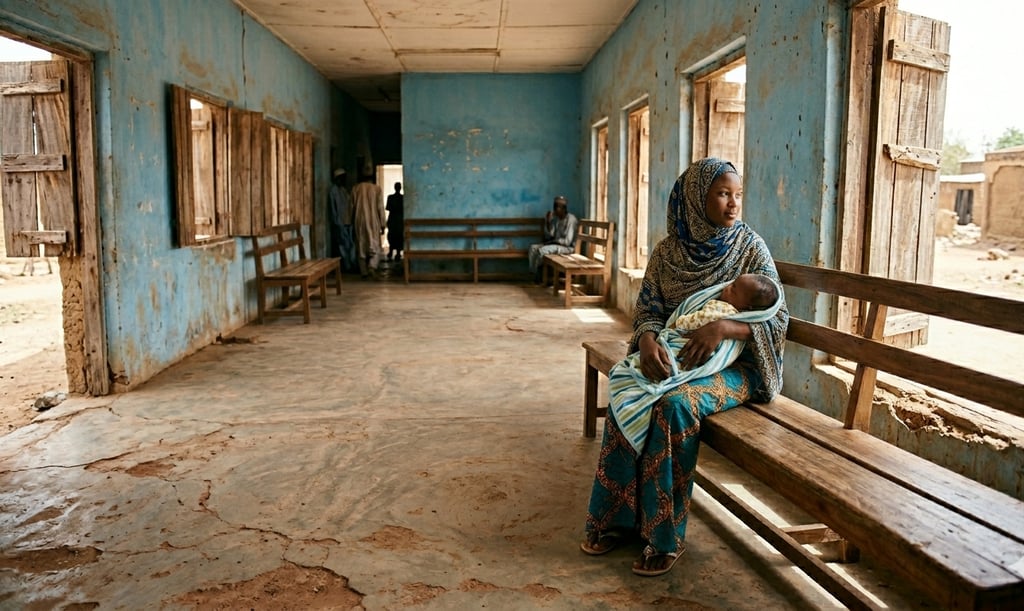
Projects supported by Abba Cares Foundation
Providing Access to Clean Water
Providing shelter for the homeless
You, our supporters and partners, are our change makers. So, the burden of what to those in need rests on us. With adequate funding, we can together make a real difference to the lives of those who have no one to help them. We become the hands, feet, eyes and heart of God to those who have no one to help them.
In the Gospels of Matthew 25:40, our LORD and Saviour Jesus Christ narrates the following: Verily I say unto you, that which you have done unto the least of these my brothers, you have done it unto me.
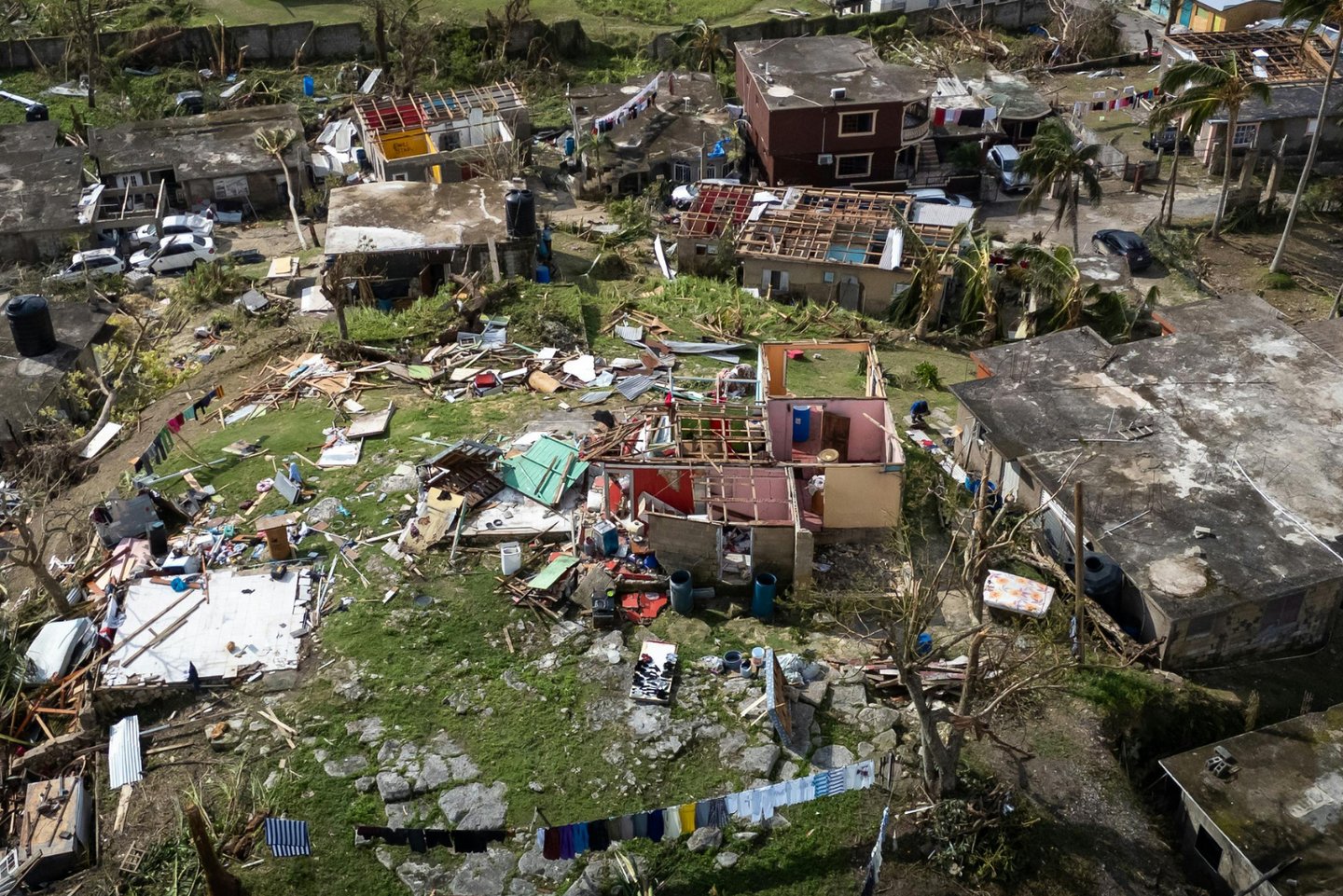
Relief for Hurricane Melissa Survivors in Jamaica
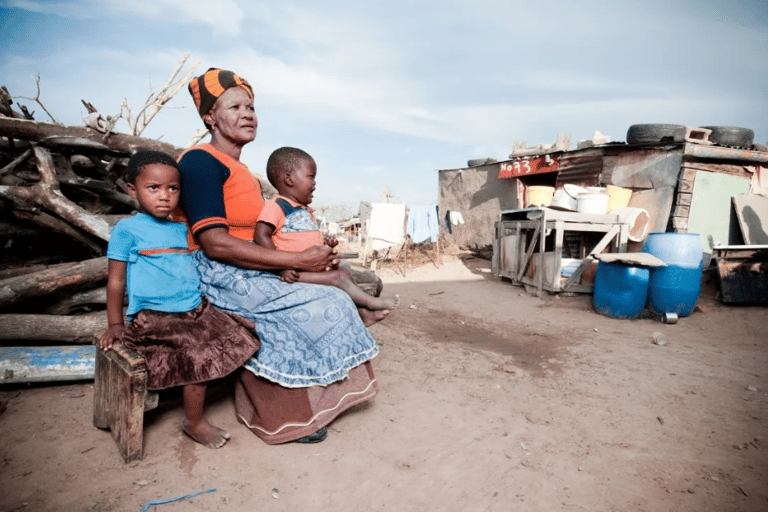
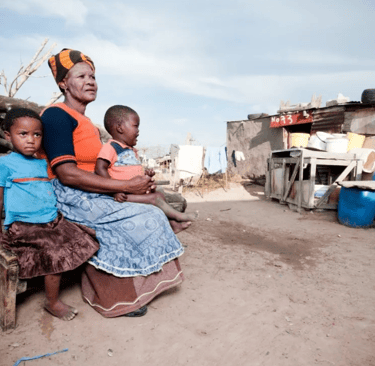


In many developing nations, hunger is not the result of a lack of food in the world—there is more than enough food globally. The issue is that access, distribution, and opportunity are uneven. Every day, millions of people go hungry not because their communities are without potential, but because the systems around them make it difficult to secure consistent, nutritious food.
There are several interconnected reasons:
1. Economic Limitations
Food may be available in markets, but low wages, limited job opportunities, or unstable local economies make it hard for families to afford it. Hunger is often a poverty problem, not a farming problem.
2. Climate and Environmental Challenges
Droughts, unpredictable rainfall, crop disease, and increasingly severe weather disrupt farming. Many communities rely on subsistence agriculture—growing just enough to live on—so when crops fail, there is no safety net.
3. Conflict and Displacement
Where there is conflict, farms go untended, markets shut down, and supply chains break. Communities are uprooted, and access to food is one of the first needs to become fragile.
4. Lack of Infrastructure
Even where crops grow well, poor roads, limited storage, and weak distribution systems make it difficult to transport food to the people who need it. Food can spoil before it reaches markets.
5. Inequity
In some regions, resources are controlled by a small number of powerful groups. Land, water, or agricultural tools may be expensive or restricted, leaving farmers at a disadvantage.
In many developing nations, access to clean, safe running water is not something that can be taken for granted. While those of us in more developed regions often turn on a tap without a second thought, millions of people around the world must walk miles each day to collect water — and even then, it may not be clean.
The challenge isn’t simply the absence of water itself, but the lack of reliable infrastructure: pipes, sanitation systems, treatment facilities, and consistent electricity to support them. In rural and underserved areas, water sources often come from rivers, wells, or shared community pumps, many of which are vulnerable to contamination from bacteria, waste, or industrial runoff.
Send Cash to Hurricane Melissa Survivors in Jamaica
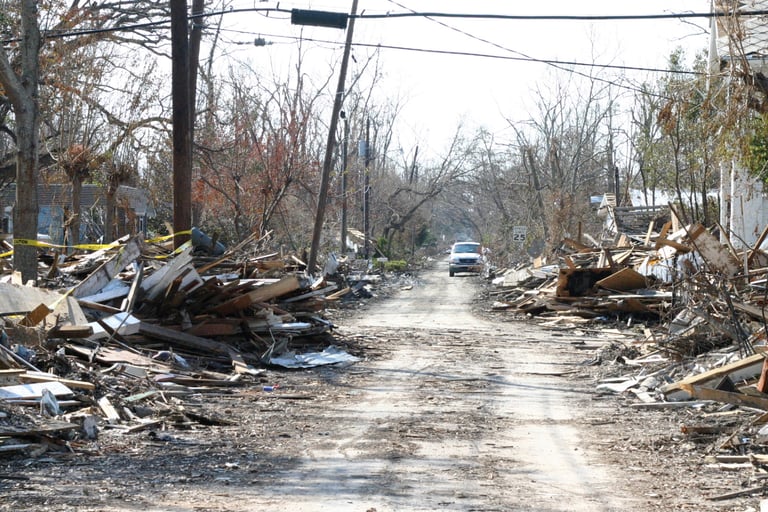
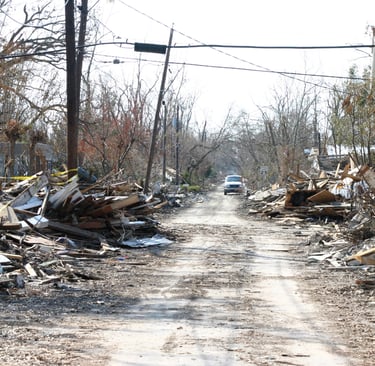
On October 28, 2025, Hurricane Melissa made landfall in Jamaica as an extremely powerful Category 5 hurricane, with sustained winds around 185 mph (295 km/h) — making it the strongest storm on record to directly hit the island. The hurricane brought catastrophic winds, torrential rainfall, and storm surge as high as 9–13 feet, causing widespread flooding, landslides, and structural devastation across southern and central parishes, including St. Elizabeth, Westmoreland, Manchester, and St. James. The storm damaged critical infrastructure — tearing roofs off buildings, collapsing power grids, knocking out communications, and severely impacting health facilities and roads, forcing evacuation of patients and isolating communities. Thousands of homes, businesses, and agricultural areas were destroyed, and tens of thousands of residents were displaced and sheltered as emergency services activated under national disaster protocols. International relief, including medical aid and supplies, as well as ongoing recovery efforts, has been critical in the aftermath as Jamaica works to rebuild and restore essential services following this historic and destructive event. - Paho.org
We supported Jamaicans impacted by the devastating hurricane.
We are providing relief to families in the hardest-hit, highest poverty areas.
Your donation will help cover their needs in areas such as:
Food, water, toiletries, hygiene products and generators
Shelter, medicine
Bills
Your donations will help reach those hardest hit in the remote areas


We are providing relief to some of the hardest-hit communities in Jamaica, identified based on poverty rates and storm damage. Uncondition cash donations support families’ immediate survival and long-term recovery. Because cash aid is fast and fully remote, it allows families to quickly meet their most urgent needs through digital transfers that don’t strain fragile supply chains or clog transit routes. Whether they need emergency supplies, shelter, or other essentials, families can buy what they need most.
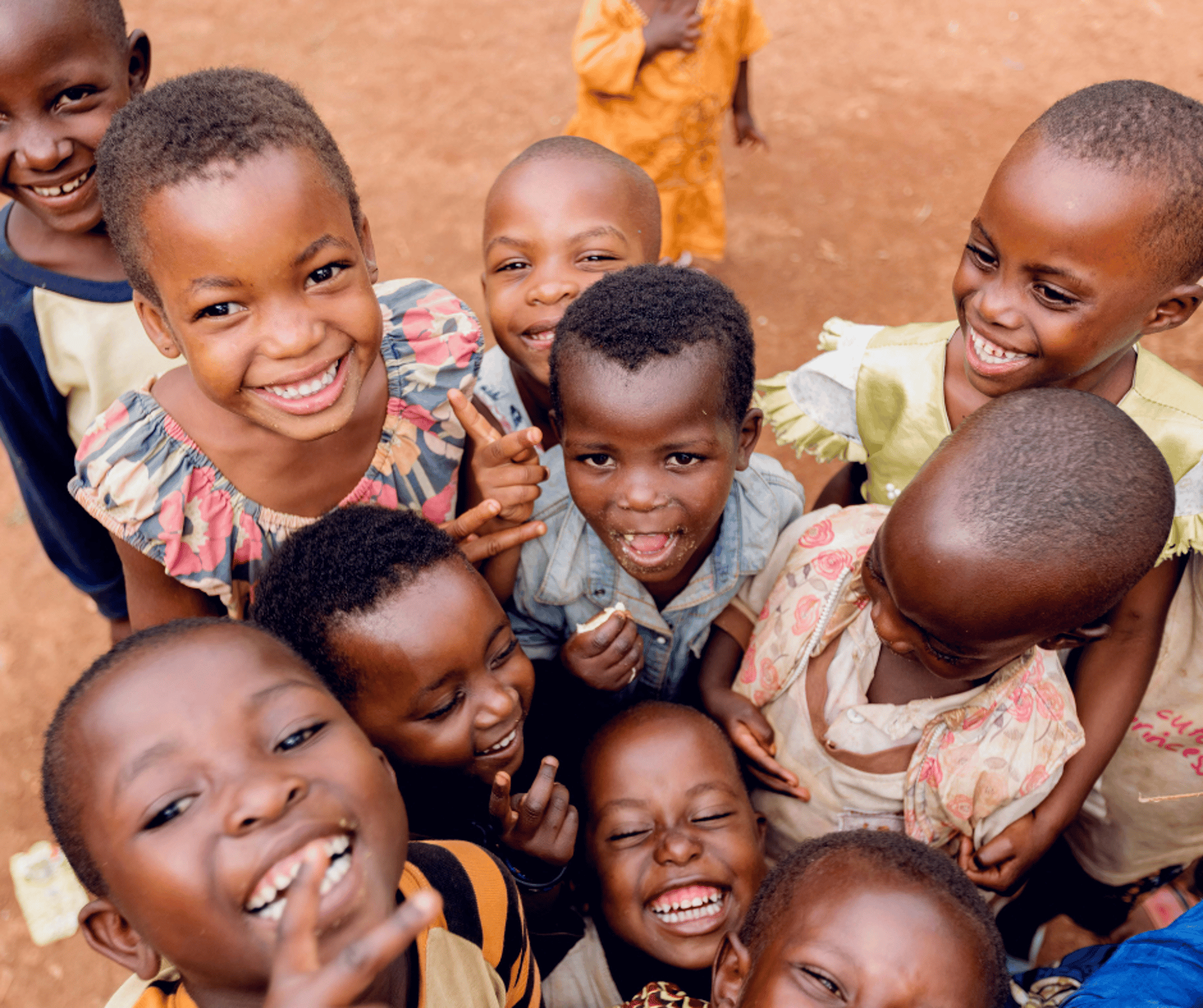
Creating a brighter future for those most in need
Join us in Making a difference One Meal at a Time
Mission
Abba Cares Foundation is non-profit organisation committed to tackling poverty and promoting the welfare of children, young people and vulnerable homeless and hungry adults.
2240... and counting, thats how many meals that has been provided to the homeless and hungry and with your help we can continue to many more people.
Feed The Hungry
Provide Access to clean water
House the homeless
Empower the youth
Impact
Programs
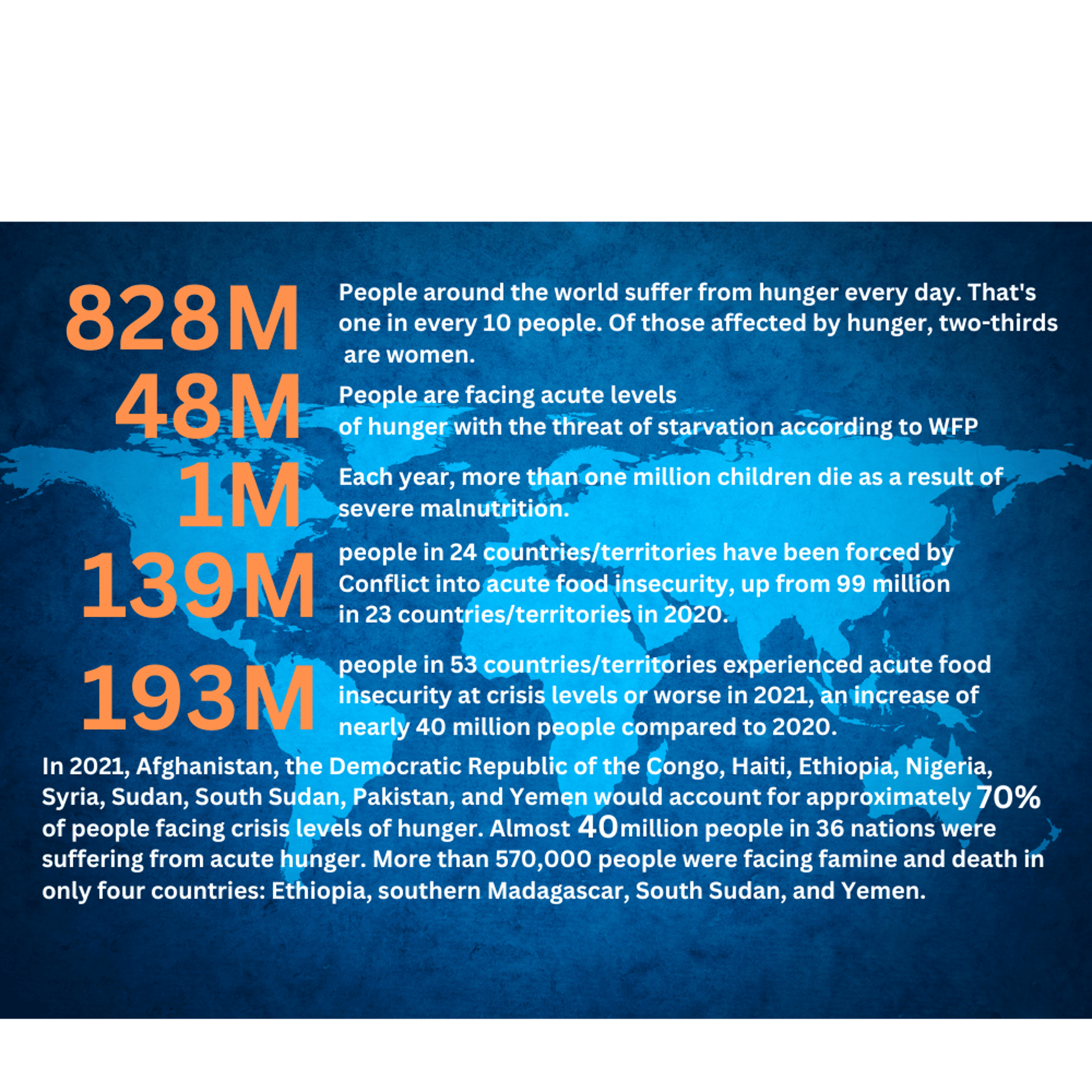
Global Facts and Figures
Our supporters






Your help is instrumental in providing food, access to clean water, shelter and emergency relief for men, women and children around the world.

ABBA CARES FOUNDATION is a NON-PROFIT ORGANISATION
Copyright © 2026 ABBA CARES FOUNDATION
Whoever is generous to the poor lends to the LORD, and He will repay him for his deed. Prov 19:17
Office Hours
Monday - Friday
Abba Cares Foundation located at:
9am - 5pm
Contact
info@abbacaresfoundation.org
(+44) 020 8292 4745
50 C Forburg Road, Stoke Newington, London, N16 6HS England, United Kingdom